


Reading path 01 · September 2026 · 5 parts · 59 min
No direct answer to that yet. Ask us and a person will reply.
Insights · The reading room
 Latest
Threat landscape · 1 Nov 2026 · 12 min
The Binance hack explained: how North Korea stole $6.3 billion
About $6.3 billion in roughly 20 minutes, and the FBI blames North Korea. What is verified, what was frozen, and the fake job interview trap behind attacks like it.
Also worth reading
Threat landscape · 14 minPhishing left the inboxOne in three phishing attacks now arrives outside email. The six channels your awareness program needs to cover. Threat landscape · 11 minWhy your family and your business need a secret wordA low-tech defence against deepfaked voices and faces that works at home and at work: a word an AI cannot know.01 Reading paths
Read in order, like a short course. Each part stands on its own, and each one ends where the next question begins.
Reading path 01 · September 2026 · 5 parts · 59 min
02 Every article
Newest first. Every article names its sources, and is corrected and re-dated when the facts change.
Subject
Time to read
18 articles
 PolicyIs cybersecurity training tax deductible in the United States?For a business, generally yes. For the self-employed, yes if the course passes an IRS test. For employees paying out of pocket, no longer on a federal return. The federal rules, sourced to the IRS.
16 min
9 Nov 2026
 PolicyIs cyber security training tax deductible in Australia?Often yes, for employees and for businesses, but not automatically. The ATO connection test for self-education, what a business can already claim for staff training, and the 20% boost that closed in 2024.
8 min
1 Nov 2026
Threat landscapeThe Binance hack explained: how North Korea stole $6.3 billionAbout $6.3 billion in roughly 20 minutes, and the FBI blames North Korea. What is verified, what was frozen, and the fake job interview trap behind attacks like it.
12 min
28 Sep 2026
 Passkeys seriesWhich attacks do passkeys stop? Phishing, credential stuffing, breaches and replayPasskeys structurally eliminate credential phishing, credential stuffing, password database theft and replay. Where each attack breaks once passkeys arrive.
9 min
28 Sep 2026
 Passkeys seriesWhat are passkeys, and how do they actually work?Passkeys replace passwords with a key pair whose private half never leaves your device. A plain-English guide to FIDO2, WebAuthn and why phishing fails.
14 min
28 Sep 2026
 Passkeys seriesSynced vs device-bound passkeys: how to choose for every employeeSynced passkeys follow you across devices; device-bound ones never leave one device. Which suits each employee, plus a decision map for shared workstations.
15 min
28 Sep 2026
 Passkeys seriesSecurity awareness training after passkeys: what needs to changeWhen passkeys remove credential phishing, the phishing simulation programme has to change shape. Which behaviours still matter, and what to stop measuring.
8 min
28 Sep 2026
 Passkeys seriesPasskey weaknesses: the attacks that still work, and how to defend against themPasskeys protect the sign-in, not what comes after. Session hijacking, help desk scams, consent phishing, malware and weak recovery, and what stops each one.
13 min
12 Aug 2026
 Threat landscapeWhy your family and your business need a secret wordA Hong Kong finance worker paid $25 million to a video call of deepfaked executives. The FBI recommends a simple defence: a codeword an AI can't know.
11 min
10 Aug 2026
 StrategyWho is actually leaving American tech?A Proton survey says 74% of European businesses fear a US kill switch. It is a marketing piece, and broadly right. What that means for an Australian business.
16 min
2 Aug 2026
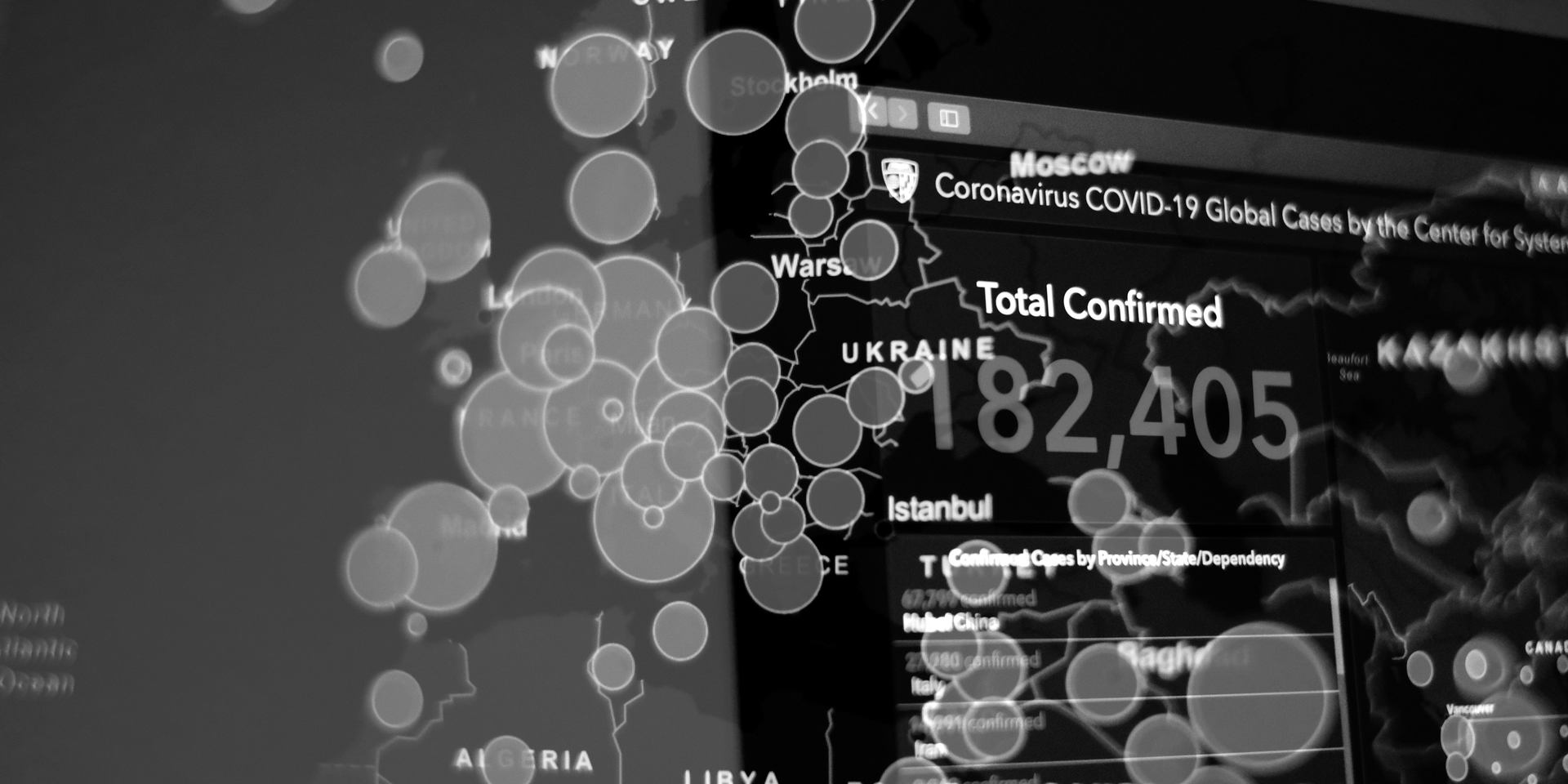 Threat landscapeThe true cost of a data breachThe global average cost of a data breach hit a record USD 4.99 million. Where the money goes, why AI pulls the number both ways, and the Australian picture.
11 min
13 Jul 2026
 Post-quantum seriesWhy your encryption works, and why quantum breaks itRSA's security rests on one asymmetry: factoring is hard, multiplying is easy. Why Shor's Algorithm breaks that asymmetry, and why no key length can fix it.
13 min
13 Jul 2026
 Threat landscapeWhy phishing still presents a significant riskPhishing is still one of the most effective attack vectors. How it has evolved, what the 2026 data shows, and why simulation training still moves the needle.
15 min
13 Jul 2026
 TrainingWhy every failed phishing test should start a conversationAutomated remediation modules measure completion, not change, and can suppress reporting. Why a 15-minute human conversation outperforms a 15-minute module.
15 min
13 Jul 2026
 Post-quantum seriesThe roadmap: what your organisation should do nowA five-phase post-quantum transition framework: cryptographic inventory, prioritisation, vendor assessment, migration and governance, plus briefing the board.
13 min
13 Jul 2026
 Post-quantum seriesThe new standards replacing your encryptionNIST finalised three post-quantum standards in 2024, with a fourth in draft. Where they're already deployed, what hybrid cryptography means, and the timeline.
12 min
13 Jul 2026
 Post-quantum seriesThe encryption you trust today will be brokenBreaking RSA-2048 was estimated to need 20 million qubits in 2019. A 2025 paper revised that to under one million. Why quantum is a different kind of threat.
14 min
13 Jul 2026
 Threat landscapePhishing left the inboxOne in three phishing attacks now arrives outside email. The evidence behind the shift, and the six channels your awareness program needs to cover in 2026.
14 min
13 Jul 2026
 StrategyNot every business problem needs AIMIT found 95% of enterprise generative-AI pilots deliver no measurable financial return. Why knowing where AI doesn't belong matters more than the technology.
9 min
13 Jul 2026
 TrainingModern learning and cybersecurity: why fully automated AI training falls shortAI training promises scalable, low-cost learning, but research shows knowledge alone doesn't change behaviour. Why training needs human context to work.
13 min
13 Jul 2026
 Artificial intelligenceDefending against AI-powered deepfake impersonation2,031 verified deepfake incidents in Q3 2025 alone, $1.1 billion in fraud losses. How deepfake impersonation works, and the evidence-based defences that work.
16 min
Nothing matches yet.
03 How we write
Every Mono insight is researched and written by the Mono Training team and checked against primary sources: the standards bodies, government agencies and original research behind each figure. Each article names its sources. When figures change or we find an error, we correct the article and update its date.